Do We Need to Learn How to Search Again? Google Is Changing How We Find Information
How often have you searched for something on Google, then opened several websites before finding an answer that suited your needs?
You look for a work laptop and find long lists of devices. You research a travel destination and move between personal experiences, prices, and official websites. You find plenty of information, but gathering and comparing it remains your responsibility.
As artificial intelligence becomes part of search engines, that experience is changing. Users can describe their needs in detail rather than reduce them to a few keywords and try to find what they meant among the results.
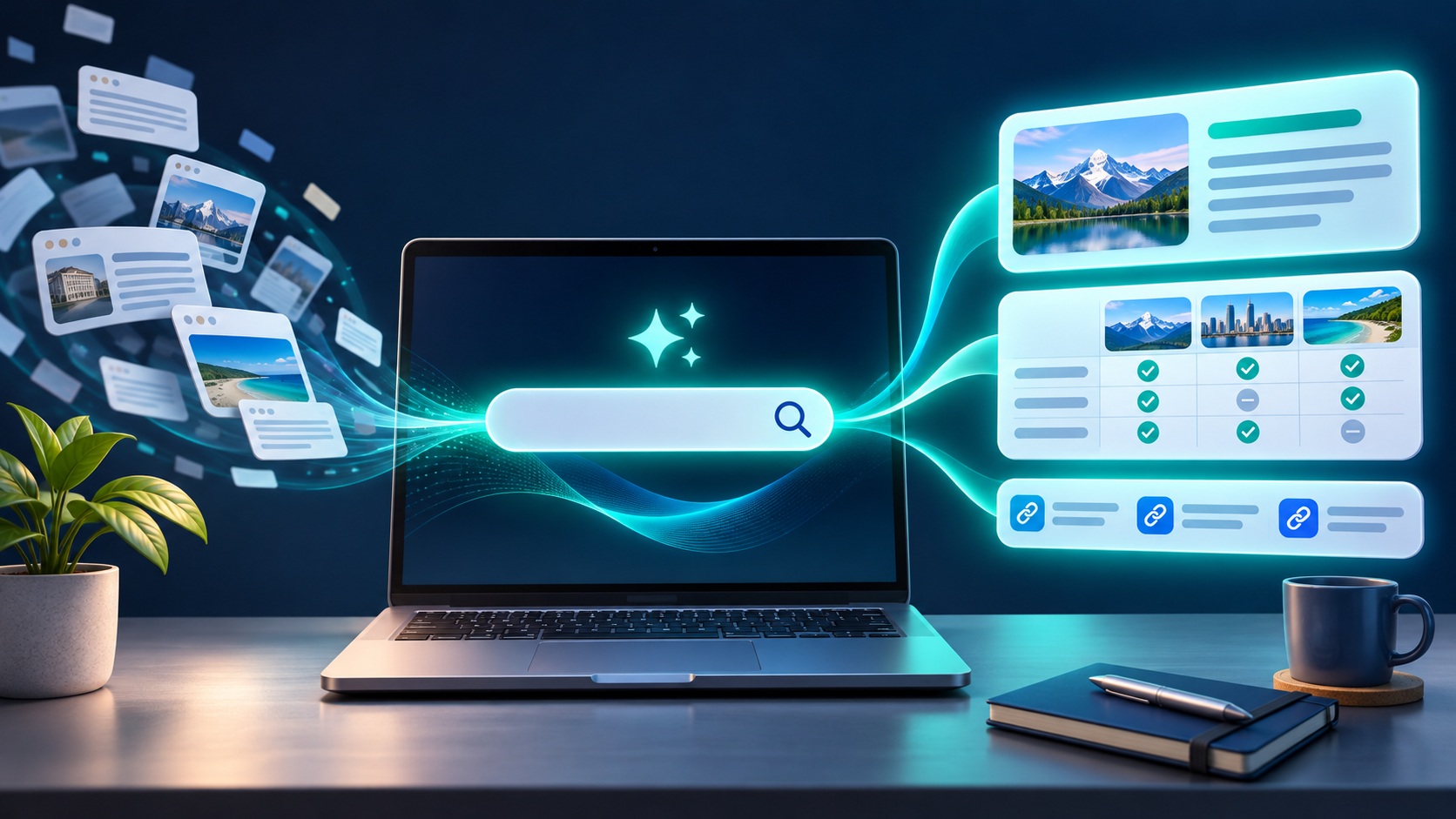
On November 12, 2026, Google announced a Search update powered by Gemini 4 Hydrogen. According to the company, the update improves its understanding of complex questions and delivers more structured responses featuring images, comparison tables, and relevant links.
What interests me is how this change could affect the way we search every day.
Describe Your Needs Instead of Searching for the Right Keywords
Suppose you want to buy a laptop.
You might type “best laptop for work.” But “best” alone says little about your work, your budget, or how much the device’s weight matters to you.
Now imagine asking:
I need a laptop for meetings and project management. I carry it with me every day and do not use it for gaming. What specifications do I need, and where can I save money?
This is an illustration of how to ask a question, rather than the result of a test I conducted with the update. It shows the difference: the more clearly you explain your circumstances, the more specific the answer you are asking for becomes.
In my view, this is a skill worth developing: knowing what we need and expressing it clearly.
Does a Ready-Made Answer Save Us the Thinking?
Organized answers can save time. But easy access to an answer raises another question: will we review it as carefully as we used to review websites?
When we open several sources, we may notice differences in prices, conditions, or perspectives. When information is combined into one neatly presented answer, we may overlook what is missing.
A comparison table can look convincing while leaving out a requirement that matters to us. A travel recommendation may suit someone else better than it suits our circumstances.
That is why I believe the user’s role remains essential: setting priorities, asking about anything the answer leaves unclear, and checking the source before making an important decision.
When Should I Open the Source?
For me, the greater the consequences of a decision, the more important it becomes to consult the original source.
If I am looking for a gift idea, suggestions may be enough to get started. But if I am comparing tuition fees, service terms, or the specifications of a device I plan to buy, I will visit the official website and check the details and their dates.
We can also ask the search tool to identify its sources or explain what might change its recommendation. These questions help us understand the answer rather than simply accept it.
What Is Worth Learning Now?
I do not think we need to follow the name of every new model to benefit from technology. What matters more is developing simple habits: explaining our needs, stating the constraints that matter to us, and verifying the information on which we base our decisions.
Search is changing, and so is our responsibility as users. The distance between a question and an answer may become shorter, but judging whether that answer suits us still requires our attention and experience.
Perhaps the most important question to ask after receiving any answer is:
Is this information enough to make my decision, or is there something I should verify first?
Loading likes…